
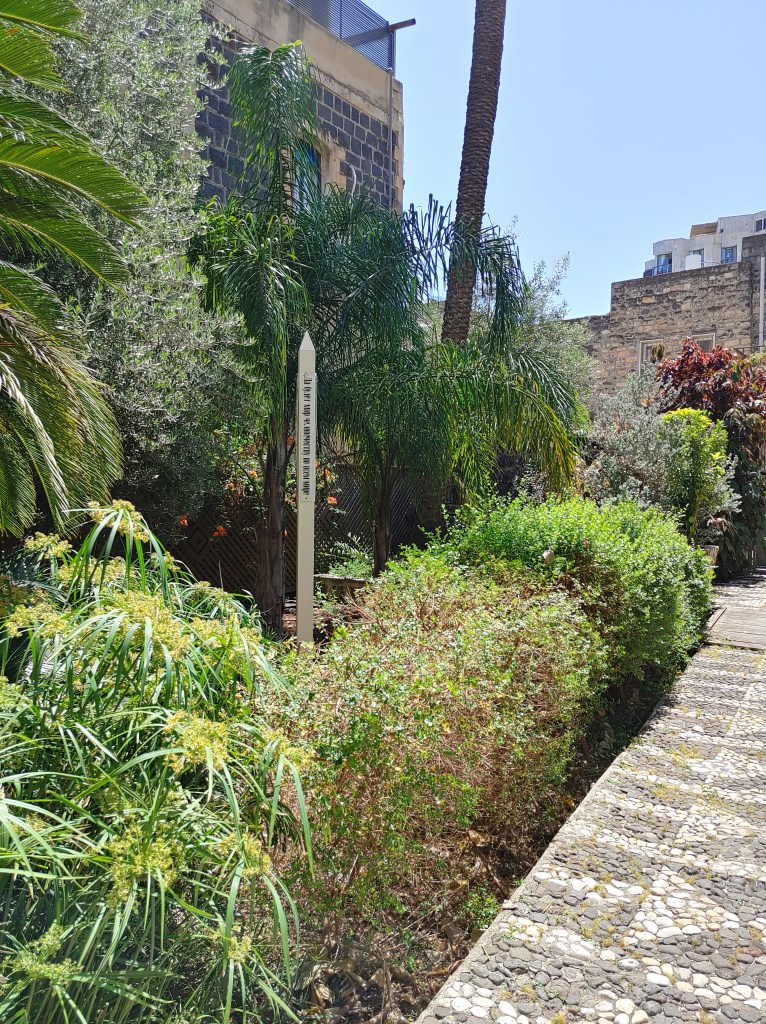
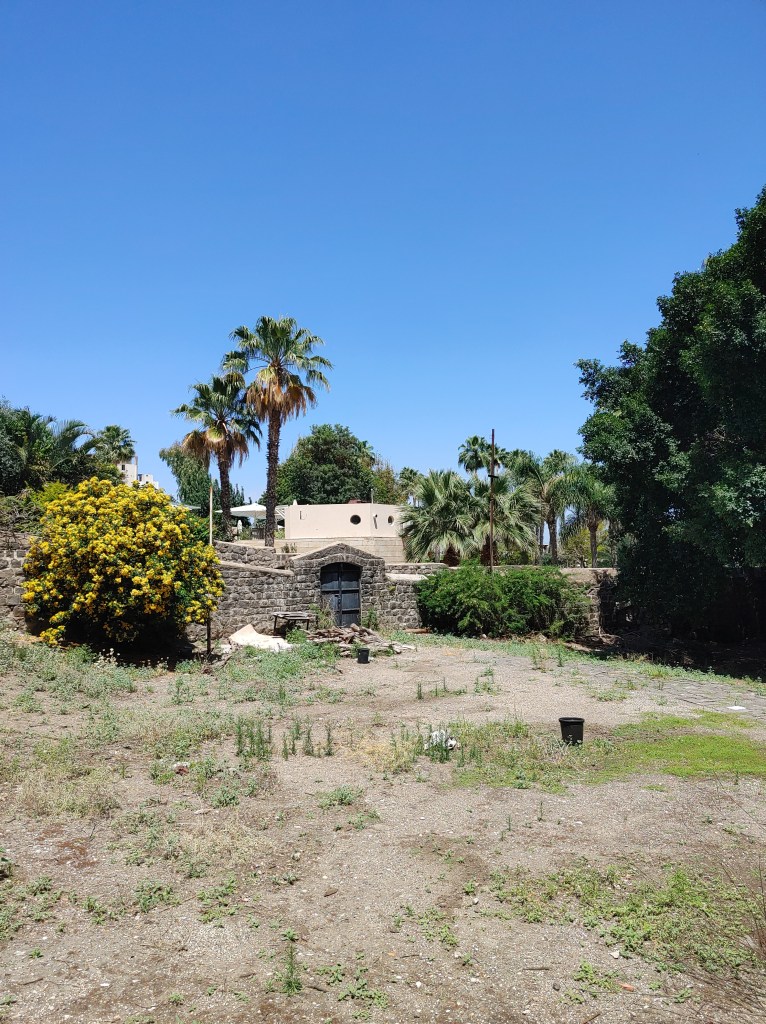
Earlier this week I went to visit Sindyanna of the Galilee, based in Cana of Galilee. Sindyanna supplies all the olive oil used by the Scots Hotel and one of their prize winning olive oils comes from the so-called Scots Grove. Some fifteen years ago now the Church of Scotland supported the planting of this new grove and its state-of-the-art irrigation system.
Ordinarily, Sindyanna’s factory and workshop is a bustling place. Downstairs olive oil is bottled and crated along with other products such as soap and honey: all local, all fairtrade. Over recent years, Sindyanna has regularly been on the itinerary of tour groups both Israeli and foreign, who come for different reasons. Some are olive oil aficionados who sniff and taste and choose their olive oil with as much panache as any wine taster. Others are interested in Sindyanna as a model of a place where Arab Israelis and Jewish Israelis come together with shared aims and common goals.
Sindyanna has diversified over the years, but all their projects have been about helping Arab Israeli women gain education and skills and income and through them increasing their families’ participation in education and thus prospects for success.
There are few visitors at the moment, and staff are laid off or part time. Hanan, who ordinarily tutors basket weaving, was there as a volunteer tending to the plants growing in the hydroponic system. The school hydroponic project has gone well, but adults are too distracted and stressed to have made a success of the system at home. Hana keeps the plants tidy and trimmed and well irrigated. Despite setbacks Sindyanna continues to adapt and diversify. Their latest project is to teach beekeeping, not so much for commercial honey production but to encourage the natural pollinators which are essential in a healthy environment. Each participant over the ten week course will get their own beehive.
Nadia, who manages the Sindyanna Visitor Centre, and who is now back at work half time, has used the enforced time off of lockdown during the Corona Virus and the more recent downtime to consolidate her skills in non-violent communication (NVC). She has been a practitioner for ten years, but now she is a qualified trainer. She is able to facilitate in Hebrew, Arabic, English and Spanish and her eyes light up as she describes the satisfaction she feels as a group of strangers from diverse backgrounds, often with a great deal of presupposition and fear to overcome, find ways to truly listen one another and empathise and ensure that the needs of all in the room are heard and accommodated as far as the group can.
Nadia now uses NVC practices in everything she does, and she’s delighted when a group she has helped facilitate pick up and run with something she has introduced. A recent workshop used ‘feeling cards’ to identify how everyone in the room is doing emotionally at the beginning of the session. At times of high stress and tension it helps to know what emotions are in the room so that misunderstandings can be avoided and trust built. It was not an NVC group, but ‘feelings cards’ are now part of their check in with one another.
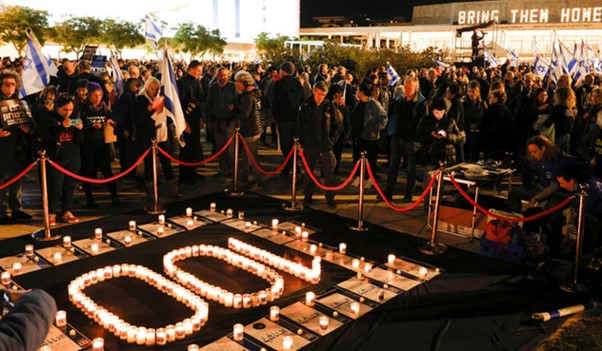
This is such a tense time. So many things go unsaid. Different groups in society see things from entirely different perspectives. The unspoken fears and griefs can leech into everyday encounters. Just as the health of the bees is an indicator of toxicity or health in a biosystem, so small human encounters which move beyond tolerance to genuine respect are signs of hope.








 Stepping out of the boat...