UN Resolution 1325 is not well known. But it is revolutionary. It was agreed unanimously by the UN security council on 20th October 2000, and it recognizes both the disproportionate effect of war and violence on women, and the absence of women in peace talks and negotiations around the globe.

Twenty three years later it is very much aspirational and does not seem to feature in the thinking of most of the world’s leaders.
Yet at grassroots level, with some notable historic precedents such as the Peace Women of Northern Ireland to encourage and motivate, there is a movement seeking to raise the profile of Resolution 1325 and to train and equip women to demand their place.
Here in Israel and the oPt, where legal moves at the moment may further isolate and disadvantage women, Resolution 1325 is becoming symbol of a movement.
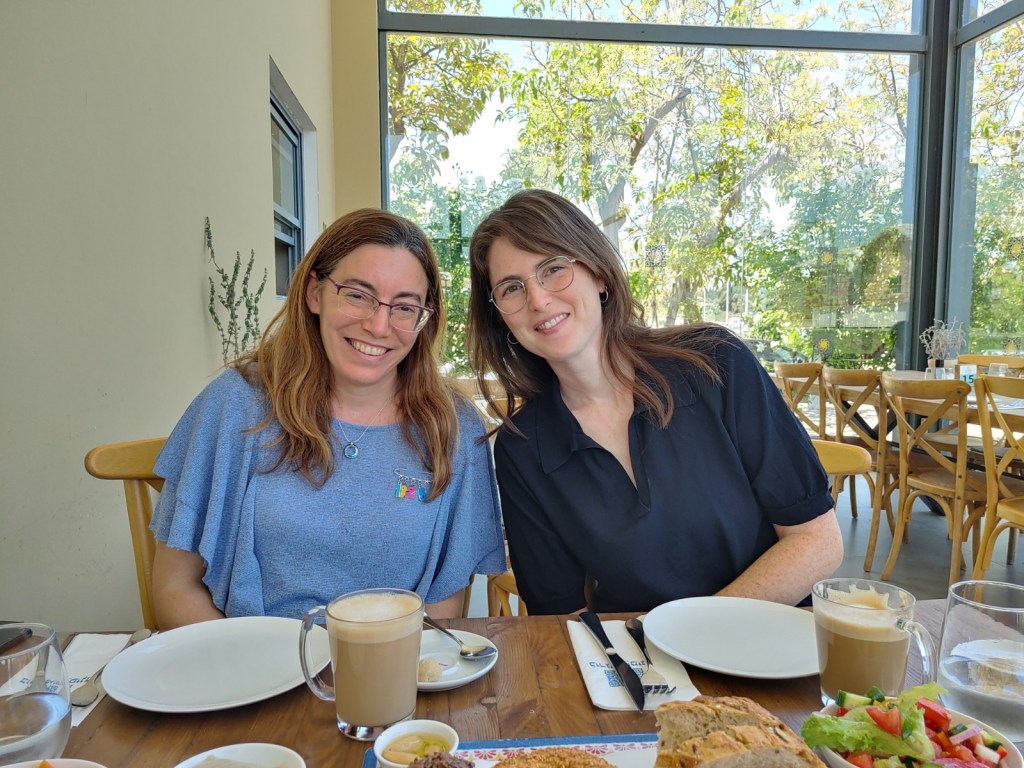
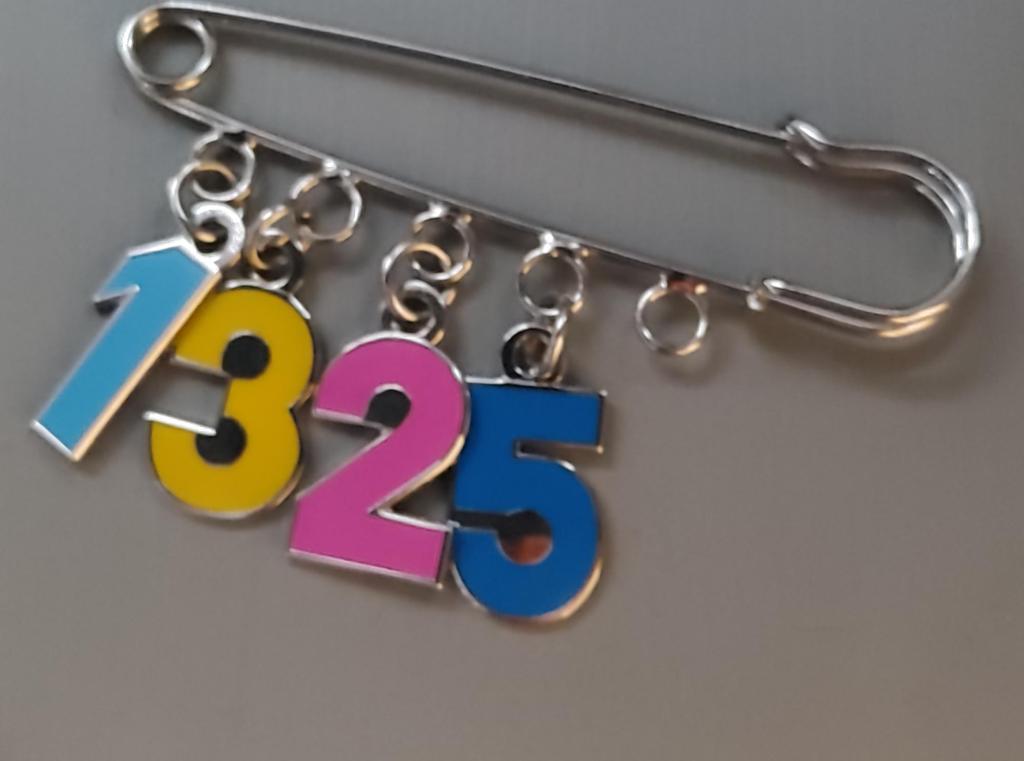
I first heard about Resolution 1325 from Ela and Tamar of It’ach-Ma’aki, (Women Lawyers for Social Justice). They told me about the impressive range of their work to support women across Israel and the occupied Palestinian territories, whether documenting forced evictions in Masafer Yatta https://www.itach.org.il/1325/masafer-yatta/?lang=en or supporting Arab women to obtain their entitlement to benefits to pay for childcare, or working with Bedouin women. They gave me a pin to remind me about resolution 1325, which I’ve been wearing since!
One of Itach-Ma’aki’s partners is an organisation called Women Wage Peace. https://www.womenwagepeace.org.il/en Along with their Palestinian partners Sisters of the Sun they held a conference this week in a poor Arab town north of Caesarea called Jist al Zaqr. In the sweltering heat, in a secondary school, using drama and graffiti art and listening exercises, Israeli and Palestinian women explored their lives and learned from one another. After the serious business of the day was over the women and the children with them went to the beach. It is so rare for Palestinians to get to the sea. They stayed in the water for hours.
The climax of the day was a commitment to the Mothers’ Call. ‘We Palestinian and Israeli women from all walks of life, are united in the human desire for a future of peace, freedom, equality, rights and security for our children and the next generations.’ The call ends ‘We call on our leaders to show courage and vision to bring about this historical change, to which we all aspire. We join hands in determination and partnership to bring hope back to our peoples.’

Here in Israel/oPt dissent, division and conflict is embedded, and violence is worsening. Encouraged by right wing elements of the government, settlers are attacking Palestinian shepherds and villages. There is a new song doing the rounds, written after attacks on Huwara, which uses the melody of a popular right wing artist and overlays the lyrics, “What is burning down…Huwwara/Houses and cars…Huwwara/ Evicting from [Huwwara] old women, the young and girls too.” Apparently it is going viral on social media. With less publicity (posting on social media was not allowed at the conference) Women Wage Peace is quietly strengthening the movement and growing the conviction that the role of women in peacemaking is vital.
 Stepping out of the boat...
Brilliant Muriel in body, mind and soul. You have taken us to a village south of Haifa with Israeli and Palestinian women joining to wage peace, and challenged us with their Call. Deserves a wide hearing.
LikeLike